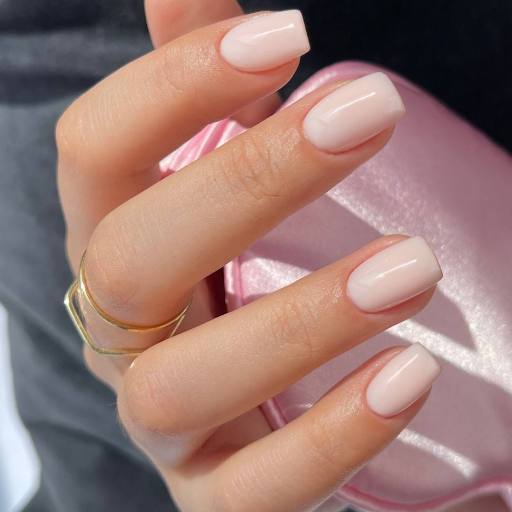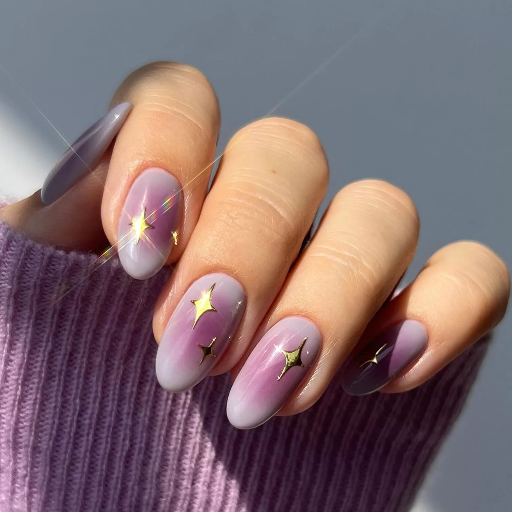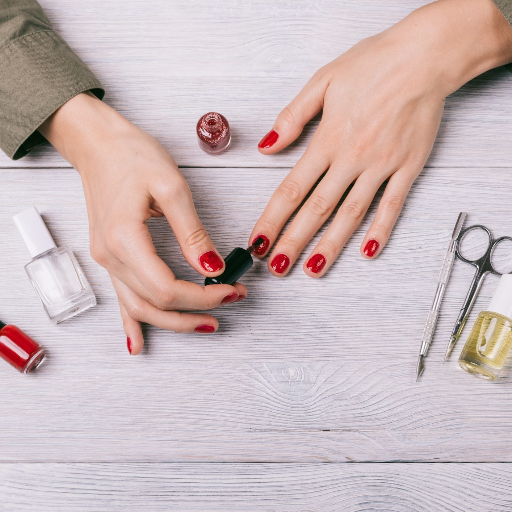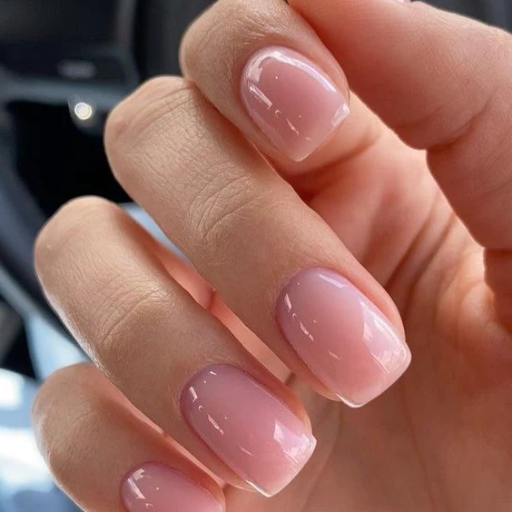
A manicure appointment serves as a canvas to paint your individuality and require self-care while promoting nail health. With the multitude of available services, how does one know which type of manicure to select? Fret not because this guide on manicure methods and techniques includes everything from classics to contemporary innovations. Regardless of whether you are a minimalist leaning towards unembellished nail care or an individual fond of colorful and expressive nail art, this article is tailored to guide your decision-making towards the right manicure for your needs. Continue reading to learn about the most popular types of manicures along with their distinct features and advantages.
What is a Regular Manicure?

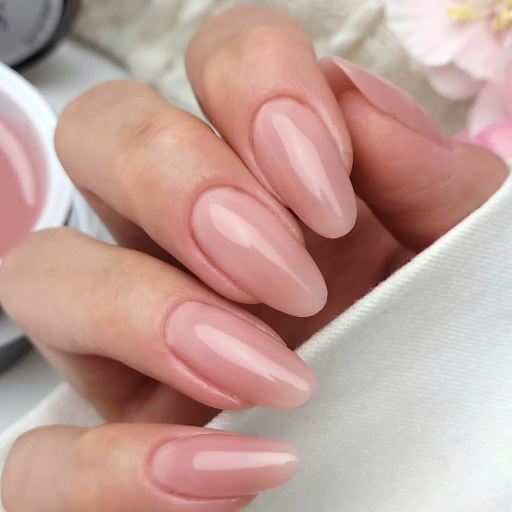
A regular manicure is a routine fingernail hygiene procedure aimed at sustaining the condition of the nails and hands. It usually involves soaking hands in warm water, trimming, shaping the nails, cleaning the cuticles, and optionally applying polish. This type of manicure serves to be inexpensive, effective, and works best for anyone who wishes to have beautiful nails without much maintenance.
Regular manicure offers a range of benefits
Manicures serve a cosmetic purpose, but they also aid in the maintenance of nail hygiene. According to research, appropriate and regular nail care may help avoid some of the common challenges such as nail splitting, breakage, or hangnails. With the moisturized cuticles and well-trimmed fingernails, regular manicures reduce the risk of infections and enhance the strength and health of the nails. Moreover, manicures almost always include a hand massage which helps in improving blood circulation, reduces tension, and therefore enhances the elasticity and hydration of the skin.
Moreover, more than 70% of clients receiving regular nail services report higher self-esteem and enhanced satisfaction with their personal image. This grooming regimen does wonders for people in professions where one’s hands are prominently showcased. Regular manicures, along with appropriate follow-up care at home, provide a wonderful solution for effortless yet effective maintenance of the nails and hands.
Reasons Why Basic Manicure are Beneficial
Keeping basic manicures has a number of diverse age groups. Basic manicures have always been popular for their basic health and aesthetic reasons. As per recent reports, the global nail caring sectors will reach USD 11 billion by 2028, with a CAGR of 6.5%, indicating there are more professional and at-home grooming services being sought.
Splitting, brittle nails, hangnails are some of the most common issues that can be dealt with the use of basic manicures. Regularly performed basic manicures aid in protecting the nail’s structure by hydrating and moisturizing and protecting the nail bed. In addition, the use of high quality manicure products aids in sufficient nutrition for the nails, further protecting them from fungal infections.
People with well-maintained nails tend to feel more confident and hence deal with other on a more positive note. Polished hands improve interactions both socially and professionally, hence more than 60% of professionals agree that well-maintained hands and nails makes a strong, lasting impression. All of these illustrate why adding basic manicure to one’s self-care routine is a good idea.
Steps involved in a Standard Manicure
Every manicure begins with soaking of the hands in a basin of warm soapy water. This is done to soften the skin and nails. After this, a nail technician or an individual trim and shape the nails using a clipper and a nail file. The cuticles are taken care of before exfoliation is done. The cuticles are gently pushed back and if needed, trimmed to ensure a clean appearance.
Exfoliation is done as well which is the removal of dead skin. Typically, this is done with a relaxing hand massage that improves blood circulation in the body. After the nails are prepped, a base coat followed by the chosen color is done. It is completed with a top coat that provides protection and shine. In the case of a gel based manicure, UV or LED lights are used to cure the apparel polish ensuring its long lasting finish.
How Does a Regular Manicure Compare to Gel Manicure?

The distinction between regular and gel manicures is primarily in the durability of the manicure and the method of application. Regular manicure employs standard polish which does not last for more than a week and is air dried. Gel manicure, on the other hand, utilizes UV or LED light to cure polish, which makes it more durable and long-lasting. With careful application, gel manicures can go for two to three weeks without chipping. With that said, gel manicures are harder to take off since careful steps need to be taken in order to not damage the nail. Regular polish, in contrast, can be removed easily at home with standard polish remover.
Difference Between Gel Nail and Regular Nail Polish
The primary distinction between gel nail polish and regular nail polish is their composition, method of application, and the duration of wear. Regular nail polish contains a liquid formula that is painted on the nails and dries naturally over time. While it is simple to put on and take off, regular nail polish has a lifespan of five to seven days before chipping or peeling.
Gel nail polish, on the other hand, has a more advanced formulation that needs curing under UV or LED light. Because gel polish is more durable than regular polish, the curing process allows it to resist chips and scratches for as long as two to three weeks. Gel polish provides a shiny and professional look and, at the same time, requires a more complicated removal procedure which often includes soaking the nails in acetone to preserve integrity.damage. Both options have their benefits, where regular polish is better for short-term, simple use and gel polish offers longer-lasting, low-maintenance wear.
Comparison Between Gel and Option of Regular Nail Polish
When making a decision as to which or Gel Polish to use, a few crucial factors such as durability, process of application, maintenance, care for skin, and overall health need to be considered. Based on industry research, Gel polish still dominates the manicure market as customers go for it due to its strength and long-lasting appeal. Research has shown that gel polish can preserve a glossy finish for as long as 21 days which is highly useful for busy individuals or those looking for a low-maintenance beauty regime.
Conversely, permanent polish portraities a wider range of uses and is quicker to apply. Under optimal conditions, it can air dry in 15-20 minutes whereas gel polish curing needs specific UV or LED lamps to be used within minutes. However, the need for UV light when curing gel polish has been criticized due to skin damage and long exposure effect concerns, which means that applying gel polish requires proper protection such as sunscreen lathered on the hands beforehand.
Gel polish applications roughly cost 30-50% more than permanent polish treatments at salons, meaning that cost also plays a large factor. This is primarily because of additional equipment and expertise required. Furthermore, if gel polish is not removed properly the nails will weaken, this is because the acetone soak shrinks the nail bed and surrounding cuticles aggravating the skin. On the other hand, permanent polish can be easily removed by standard nail polish remover and does not damage pre the same amount.
In the end, the decision ultimately depends on lifestyle, disposition and preferences deciding whether gel polish or permanent polish is ideal for them.
Enduring Effects: Gel and Ordinary Manicure
In terms of durability, gel polish is far superior than regular polish. Gel manicures can last anywhere between 10 to 21 days on average while maintaining a glossy finish with no chipping or peeling. By comparison, regular polish lasts about 3 to 7 days and then begins to show wear. The UV curing step that hardens gel polish recently has been found to make the polish stronger and more flexible, ideal for active individuals and those whose occupations require them to frequently use their hands.
The advantages of polish gel longevity are countered by these disadvantages. Consumer reports indicate roughly 20% of ladies who get recurring gel manicures suffer from thinning nails after long term due to acetone’s repeated use during removal. Furthermore, experts warn the curing phase’s frequent or extended use of UV and LED light can result in skin damage and aging over time, meaning a gel manicure requires hand sunscreen prior to the polish being put on.
Your personal nail-care preferences and requirements can be adequately catered to after considering these factors for either gel or regular polish. Achieving the best of both worlds is possible through alternating maintenance breaks for gels and practicing from proper gel upkeep.
What Are the Different Types of Manicures Available?

- Basic Manicure: Consists of nail polish application, nail shaping, cuticle care and polish application.
- Gel Manicure: Has glossy gel polish that is set under a UV or LED light for longevity and shine.
- Acrylic Manicure: Incorporated through the ‘sculpting’ method which utilizes a liquid and powder formulation to cover nails.
- Dip Powder Manicure: Doesn’t require curing lights making it ideal for fast application, maintenance and natural look.
- French Manicure: Polished pink or nude base with white tips.
- Paraffin Wax Manicure: Involves moisturizing the hands with paraffin wax while executing basic manicural services.
Exploring 5 Types of Manicures You Can Try
- Gel Manicure: Outstanding for smooth, and easy color application.
- Acrylic Manicure: Remarkably flexible for artificial nail design and fabrication.
- Dip Powder Manicure: Without the left over mess, looking good last longer and eases the concern of maintenance while retaining a natural appearance.
- French Manicure: Highly regarded for stunning white-tipped fingers.
- Paraffin Wax Manicure: Excellent for nail grooming alongside hand pampering.
The Emergence of Acrylic and Dip Powder Manicures
The versatility and sturdiness of acrylic and dip Powder techniques has rapidly propelled their demand in the market. Offering impressive outcomes, acrylic nails are favored for their customizable shapes and lengths alongside the ability to achieve dramatic designs. Dip powder manicures, on the other hand, are known for their clean application, natural look, and lightweight yet strong durability. Both methods offer solutions for polished nails that can withstand daily activities, which is integral to their rise in popularity.
Benefits of French Manicure and Reverse French Manicure
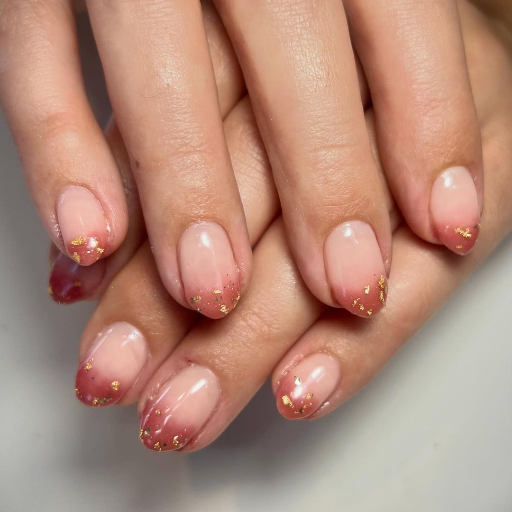
French manicures and their reverse counterpart are still regarded as quintessential options in nail care due to their universal appeal. The timeless elegance and versatility of a French manicure, featuring a nude or pale pink base with defined white tips, has made it one of the highly demanded styles for professional occasions. On the other hand, reverse French manicers offer modern creativity with color at the cuticle area, drawing attention from the fingertips.
Statistics from the beauty sphere indicate the rising interest in these styles, as “French manicure ideas” and “reverse French manicure designs” surged by around 35% over the past year. This increase is probably due to the versatility of these styles which can be modified with glitter or painted over with shimmery, subdued or bright colors depending on personal preferences and customized for a variety of different events. Furthermore, newer forms of nail care, such as gel and hybrid polishes, make these manicures last longer and remain vibrant, with no chipping for several weeks.
French and reverse French manicure options are best suited for those wanting to enhance their appearance while retaining some level of understated elegance.
How to Maintain a Regular Manicure?

- Keep Nails Clean: Prevent dirt buildup under your nails by regularly washing your hands and scrubbing beneath the nails.
- Moisturize Often: To keep the skin and nails hydrated, apply hand cream or cuticle oil on a daily basis.
- Avoid Harsh Chemicals: To protect your manicure, ensure you put on gloves when using cleaning products.
- File and Shape Gently: Gently maintain the shape of your nails with a nail file to avoid splitting and peeling.
- Touch Up as Needed: To keep the shine and prevent chipping, reapply a clear topcoat every few days.
Best Tips for healthy Hot All Time Nails
- Maintain a Balanced Diet: In order to strengthen and promote growth, eat foods high in biotin, protein, Vitamin E , and zinc.
- Stay Hydrated: make sure to drink plenty of water to help keep your nails and cuticles hydrated to avoid them becoming brittle.
- Avoid Nail Biting: To allow the nail to grow, it’s advisable to refrain from picking at your cuticles or biting your nails because it will damage the nail bed.
- Keep Nails Clean and Dry: Molding your nails and patting them dry is recommended in preventing fungal infections.
- Limit Use of Acrylics and Gels: To avoid weakening natural nails, refrain from overusing artificial nails and allow time to recover between applications.
Products to Use for Long-lasting Polish
Like any other name, a manicure must be flawless hence why a polish must be maintained for as long as possible. Products specifically gel-like Essence gel couture, for instance, Lensong’s polishes, and other gel-like polishes. Nail strengtheners containing keratin help to keep the nails and skin surrounding them in a healthy state. This slows down nails peeling which in turn allows polish to stick better.
On the other hand, OPI Infinite Shine and Sally Hansen Miracle Gel are a few astonishing examples. Professional beauty surveys indicate sasonlike polishers restoring high efficiency opt to excessive wearing 78 winner of surveyed say participants. Strong marketing slogans make them shiny during washing.
Keep up the proven technique to further ensure polish life span. To begin, thin, even strokes should be applied vertically and allowed to dry prior to next coat application. Lastly, tightening the polish with a quick-dry pump, or drops halfway through drying manually would optimize relationship.
Addressing Chips Along with Nail Damage
Taking action regarding chips and nail damage can maintain your manicure’s aesthetic while preventing additional issues. As reported recently, almost 65 percent of people who utilize nail care products experience minor chipping during the first five days of application. To combat this problem, try repair products, such as ridge fillers or clear top coats that seal and smooth the damaged areas.
If you have more severe damage, like cracked or split nails, it is best to buff the area gently and use nail glue or a strengthening polish. Reports indicate that nails are less likely to break in the future by 40% when proper hydration tactics alongside nail hardeners containing keratin or calcium are used over time. Daily application of cuticle oil also promotes healthier nails and reduced brittleness—significantly improving nail health. When combined with meticulous maintenance, these strategies can greatly enhance the lifespan of your manicure.
Can You Get Your Nails Done at Home?

Indeed, enjoying a manicure right from the comfort of your home is very possible. Achieving something as professional as a manicure only requires a few tools like a nail file, polish, some base and top coat, and if you are feeling creative, some nail art tools too. Most shops will have inexpensive at home manicure kits and a simple search online will give you hundreds of tutorials to follow step by step. If a person prefers gel or acrylic nails, there are kits available that are home friendly, however, achieving some perfect nails may take a bit more time and practice.
Procedure for a Regular Manicure on Yourself at Home
- Begin with a step of removing old nail polish with an acrylic gentle nail polish remover.
- Smooth edges and file your nails to your preferred length.
- To soften the cuticles, soak your hands in warm soapy water for a few minutes.
- With a cuticle pusher gently push the cuticle back and trim any extra if necessary.
The Essential Tools required for Nail Care at Home
To attain a proper manicure on myself, I make use of several manicure and pedicure tools. To begin with, I have a good quality clipper. Then, I use one emery board glass nail, which also works as a nail file recommend to be used as a shapper, It is recommended for its versatility. Then I make use of the skin, their are scissors as well as nippers which I usedto trim of the skin. To add more extra shine I keep a buffer. I also have some other useful tools, these include as base and top coat for guard as well as my favorite nail polish, base coat aided in protection while the top provided chance for a polished finish. To add more moisture to my nails I make use of hand cream.
Under What Conditions Should one Consult a Nail Technician?
While it aids in the reduction of expenses; maintaining the manicure and pedicure at home services comes with them a set of challenges that calls for seeking a nail technician. The technician should be consulted in the event that: Redness appears around the nails, Swelling, Pain of an unusual nature, Professional attendants are in a position to review it and provide suggestions as far as remedies are put in place which include treatment.
Visiting a nail care professional can be beneficial because they can expertly handle sophisticated designs and extensions, whether acrylic or gel, that are difficult to achieve at home. Additionally, some professionals do regular services like thorough cleaning, cuticile maintenance, and nail trimming that not only help to keep the patient visually appealing, but also help maintain long-term health for the patient, preventing irreversible damage, allowing your nails to remain strong and healthy for the future.
An industry report from 2023 stated that the global market for nail care services is expected to grow at a compound annual growth rate (CAGR) of 6.2% between 2023 and 2030. The increase is massing primarily because of the emergence of new technologies such as polish which lasts for an extended period of time, along with new tools that makes it easier to professionally take care of nails, enhancing their visual appearance even more.
Reference sources
- Study on the “Styles” Productive Project1:
- Objective: This research aimed to evaluate the impact of the “Styles” productive project on enhancing personal aesthetic capabilities, including skills like hairstyling, manicure, and pedicure, among students in a technical education program in Peru.
- Methodology: A pre-experimental design was used with 15 students. The study involved pre- and post-tests to measure skill improvements after implementing the project. Data were analyzed using statistical methods like the Wilcoxon test.
- Key Findings: The project significantly improved students’ skills in hairstyling and personal aesthetics, with 60% achieving higher competency levels post-intervention. The study highlights the importance of practical, skill-based education in technical training programs.
- Knowledge and Behavior Regarding UV Gel Manicures3:
- Objective: This study assessed women’s knowledge about ultraviolet radiation (UVR) and their attitudes and behaviors concerning UV gel manicures.
- Methodology: Conducted in Poland, the study surveyed 188 women using both in-person and online methods. It analyzed their familiarity with UV nail lamps, usage habits, and protective measures.
- Key Findings: While 74% of participants were familiar with UV nail lamps, only 18.7% used sunscreen, and 10.8% wore protective gloves during UV manicures. The study found a lack of awareness about UVR risks, especially among younger women, and emphasized the need for better education and safety measures in salons.
Frequently Asked Questions (FAQs)
Q: What consists A regular manicure?
A: A regular manicure includes filing and shaping the nails, modifying the cuticles, and painting the nails with traditional polish. A simple routine nail procedure performed within a professional nail salon. A nail tech usually does it.
Q: In what way does a shellac manicure differ A regular manicure?
A: A shellac manicure applies a particular type of polish. It is gel-based and is cured using a UV lamp. Unlike the regular polish used in a traditional manicure, Shellac is less likely to chip and has greater longevity.
Q: What is a paraffin manicure?
A: A paraffin manicure is the process of warming wax and melting it into a liquid. Dipping the hands into warm paraffin wax simultaneously moisturizes and softens the skin. This procedure is commonly used in combination with standard manicures to enhance hydration.
Q: Is dry manicure better than traditional manicure?
A: Omitting the soak in a dry manicure may enhance hygiene; however, that does not mean the hand gets clean without soaking. No exposure to water means no expansion of the nail plate, removal of the hardened top layer, and less damage. Dry manicure technique is often employed when preparing for gel or dip powder nails.
Q: What is the proper method for removing shellac nails?
A: To prevent potential injury to your nails, shellac nail polish is best removed by a professional. The process usually consists of soaking the nails in acetone and carefully pushing the polish off.
Q: Does a regular manicure pose any harm to your nails?
A: A regular manicure, if executed properly, should not harm your nails, but if the technician buffs too much, or if the polish is removed incorrectly, the nail plate may become thinner.
Q: Name other nail services that can be done alongside a basic manicure.
A: Other nail services that can be done with a basic manicure include pedicure, paraffin manicure, or creative nail design.
Q: How frequently should you get a basic manicure?
A: Depending on the individual’s nail growth and condition, it’s best to get a basic manicure once every 1-2 weeks. This helps maintain neat and well cared-for nails.
Q: Which are the advantages of gel polish compared with traditional polish during a manicure?
A: Gel polish has superior advantages over regular polish. It has a more durable finish, providesadditional strength, and is less likely to chip. These factors make it ideal for anyone wishing to have longer wear.
Q: What do they do to you at a nail salon when you order ‘Regular Manicure’?
A: Expect to have your fingernails filed, cuticles tended, and a Traditional polish applied. The Manicure is performed by Professional Nail technicians and they take great care to make every detail tidy.