The choice of a sunscreen product with the highest possible SPF is paramount in shielding one’s skin from the negative impacts of ultraviolet (UV) rays. Given the plethora of products available in the market, one could ask what they need to know about SPF, the types of sunscreen, and the variations in the formulation. Furthermore, this article aims to assist readers in deciding the factors of concern when they seek the sunscreen that best fits their requirements. In particular, we will detail the importance of an SPF rating of sunscreen, as well as, the differences between chemical sunscreens and mineral sunscreens; in addition, we will look into the significance of other features, such as water resistance, broad-spectrum coverage, etc. By the time you are through with this paper, you should have an understanding of what makes an SPF sunscreen to be very effective, and how best you are to incorporate it into your routine.
What Are the Different Types of SPF?
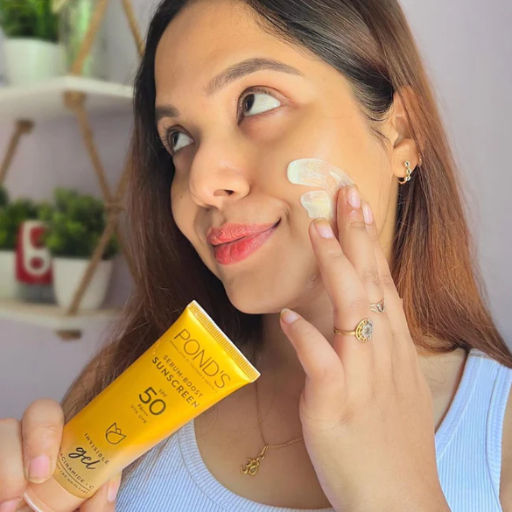
Sun Protection Factor which is also in short form known as SPF is classified under broad categories depending on the level of protection it offers and the formulation type. Precisely for this reason, SPFs are rated low, mid, and high with 15-30 being on the lower end and over 50 on the high end. Higher-end SPFs block UVB better than the lower end. There are moreover two formulations of sunscreen:
Chemical SPF – This type of sunscreen uses avobenzone or oxybenzone and absorbs ultraviolet radiation and converts it into heat. It is light, easy to spread, and fits everyday needs well.
Mineral SPF – Such sunscreens are also referred to as physical sunscreens which reflect and scatter ultraviolet rays by Zinc oxide or Titanium dioxide sunscreens. Due to the gentle and non-irritating characteristics of mineral sunscreens, they are often suggested for people with sensitive skin.
Both can work significantly well with wide formulation meeting both UVA and UVB allowing sufficient protection.
Understanding Sun Protection Factor (SPF)
The Sun Protection Factor or SPF measures how well a sunscreen shields the skin from UVB rays, the primary cause of skin burns and skin cancer. It is worth mentioning that the SPF number described how many times it would take for the burning of the skin would occur, without any protection on the skin. For instance, SPF 30 enables 3% of rays to penetrate the skin after blocking 97% of them, this is opposed by SPF 50 which lets around 2% rays in. It needs mention however that there does not exist any sunscreen that can block all UVB rays.
The efficiency of SPF relies on factors such as how sunscreen is applied and how regularly it is reapplied, this is extremely applicable in cases where a person has been sweating or touching water. In cases where a person is going out for an extended time in the sun dermatologists suggest the use of an SPF of 50 or above, Surpassing a recommended SPF of 30 for daily use. Broad-spectrum sunscreens offer additional assistance in case UVA rays are present which are known to damage the skin and cause it to age.
The Role of UVA and UVB Rays
Two primary types of ultraviolet rays produced by the sun and penetrating the earth including the UVA and the UVB, have different effects on the skin. Skin diseases such as pre-aging, sunburn, and skin wrinkles are mainly caused by UV rays which are UVA and constitute 95% of the UV, while on the other hand, UVB rays affect sunburn, skin scars, and growths including melanoma. Both types of UV rays penetrate the DNA affecting the cells of the skin and for their adverse effects to be reduced application of suitable clothes and wide-striking sunscreen is required. Wide-spectrum sunscreen prevents both kinds of radiation but it has to be applied frequently.
How to Choose the Right Type of Sunscreen
To pick the ideal type of sunscreen, pay special attention to the following important aspects:
Shields from both forms of UV rays: Look for the word broad-spectrum on the label which means that the product provides protection against both UVA which causes skin aging and UVB which results causing skin burning. Specific formulations are designed and labeled as “broad-spectrum” which offers this dual protection.
SPF rating: For everyday use, consider applying sunscreen with an SPF (Sun Protection Factor) of no less than 30, as this particular formula blocks around 97% of the UVB rays. However, while swimming or engaging in other outdoor activities, sunscreen of higher SPF can be of great application as it will provide additional protection.
Water resistance: Always opt for water-resistant options for those days you expect sweating or certain activities that involve swimming. As indicated on the label, sunscreens are effective for around 40 to 80 minutes in the water. After a certain duration, it is always recommended to reapply the sunscreen.
Ingredients, and areas of application: Make sure to use creams that are appropriate for your skin type, certain formulations work better for sensitive skin types as they are less irritating and contain titanium or zinc oxide. For oily and acne-prone individuals, it is advisable to apply lightweight non-comedogenic options to avoid pore blockage.
Application Techniques: Lotions are easy to apply evenly and provide uniform coverage; sprays, on the other hand, are handy but need to be applied carefully to avoid skipping spots. Stick sunscreens can come in handy for localized application on small parts of the skin like the face.
Also, reading the label and instructions of the product can help to achieve the most efficiency of the product’s effect. Such considerations together with appropriate reapplication can enhance protection from UV radiation and skin damage greatly.
How Does SPF 30 Compare to SPF 50?

Each SPF level has a different percentage of blocked ultraviolet B rays. For example, 3-4% of UVB rays can penetrate through SPF 30 while SPF 50 can only allow 2%. But some people can get a bit more protection from SPF 50, especially if they are more prone to burning for example ‘fair-skinned’ people, those who have photosensitive conditions, and those who will be out in the sun for long. But with both sunblocks, the results are only optimal when the products are applied and reapplied appropriately as not applying properly can considerably decrease protective advantages whether chemical or physical wipes are used.
Benefits of Using SPF 30
Applying SPF 30 sunscreen can significantly reduce the chances of sunburn by filtering roughly 97% of the UV rays, thus enhancing the skin’s ability to withstand sun exposure and enabling the risk of skin-related ailments, like wrinkles and even skin cancer to be lowered. Especially with one’s daily use, SPF 30 is very useful as it provides little thick consistency, but at the same time, sufficient protection from harmful UV rays. Likewise, it is highly prescribed by skin doctors, especially to those who go outside frequently, and provides ideal protection if used generously and reapplied every two hours or more on continuous exposure.
Advantages of SPF 50 Sunscreen
SPF 50 protects 98% of UVB rays which makes it suitable for all who have white or sensitive skin or are prone to sunburn and are out in sunlight for long durations. It protects against sun-induced damage which can include hyperpigmentation, photoaging, and skin cancers. SPF 50 is relatively an improvement from lower SPFs but one must be careful that a sunscreen at no point in time can be a hundred percent protective. It is wise to bear in mind that though SPF 50 offers pretty good protection against UV radiation, regular sunscreen application and reapplication every 2 hours or post swimming, sweating, or showering are a must to secure protection.
When to Use Higher SPF Levels
Individuals at risk of high sensitivity to the sun, or have other UV exposure risks are advised to use higher SPF levels. This extends to places where the sun is bright and fully radiating, like the beach, mountain top, or snowy regions since UV is more absorbed due to reflection and thinner atmosphere. People with light or sensitive skin that gets burnt easily tend to benefit more from higher SPF use, as well as those people with a history of skin cancer and those with photosensitivity disorders. More so, any person engaging in outdoor activities like mountain climbing, swimming, any outdoor games, or exercise should consider a greater SPF to provide certain coverage. Even though such types of sunscreen are effective when used in conjunction with adequate protection from the sun using UV clothes or hats, along with sunglasses and avoiding the sun as much as possible.
Why Should You Apply Sunscreen Daily?

Daily application of sunscreen is crucial, especially for the ones who are most affected by UV radiations on the skin. Wearing sunscreen with an adequate SPF practically serves as a safeguard against both forms of ultraviolet rays — A and B. Moreover, Applying sunscreen every day can help to damage the skin at the level of the cells and promote an overall healthy skin complexion. Applying sunscreen should be essential if one wishes to prevent their skin from harm’s way.
Protection Against Skin Cancer
Skin cancer prevention requires several approaches that enhance skincare and pretreat skin for potential risks. The best method entails, without fail, applying sunscreen with an SPF of at least 30 every day, regardless of the weather; this serves to particularly prevent skin damage due to both UVA and UVB rays. Furthermore, it is important to avoid sunlight during peak hours, as UV radiation is strongest in the range between 10 a.m. and 4 p.m. Protective gloves, which can be wide-brimmed hats, UV protection sunglasses, and tightly woven fabrics also add protection when going out. Pictures or body photographs of the skin should be consistently taken or created so that the patient and the clinician can notice any unusual changes in moles or growths in existing moles, together with seeing a skin specialist every year to promote early diagnosis of skin lesions leading to better treatment. Collectively, the measures cut down the chances of developing melanoma and non-melanoma skin cancers and help maintain healthy skin.
Preventing Skin Damage from UV Rays
To save oneself from skin damage caused due to exposure to ultraviolet rays it is important to take a multi-strategy approach based on facts and findings learned. Firstly, use a broad spectrum sunscreen considering at least 30 SPF at every application be it a sunny or cloudy day, and it is better to repeat the application every 2 hours or when you sweat or swim. Try to avoid going outdoors when there is a maximum receiving time of UV radiation that is between 10 am and 4 pm. Go out in the sun while wearing sunscreen, UV-protective long-sleeved shirts, wide-brimmed hats, and eyeglasses. Also, try to avoid using tanning salons that let out dangerous UV rays which would increase the risk of skin aging and potentially skin cancer. The process of regular self-checks for new or changing moles along with yearly dermatological evaluations helps one to catch any skin irregularities that may need treatment. It is through taking these measures that skin damage along with potential health complications as a result of UV exposure can be avoided.
The Importance of Broad-Spectrum Sunscreen
Sunscreens that prevent both types of UV radiation from damaging the skin, UVA and UVB, are called broad-spectrum sunscreen. UVB rays are mainly responsible for sunburn while UVA rays are associated with skin aging and higher risks of skin cancer. Some formulations use active components such as zinc oxide, titanium dioxide, avobenzone, or octinoxate, which work by either absorbing or reflecting harmful ultraviolet rays. A broad-spectrum formulation on the other hand sunscreen is of course one that protects against both forms of ultraviolet. Reapplying sunscreen every two hours, and after swimming or about sweating should be done to provide decent protection against the sun’s harmful effects. Even skipping this step year-round exposes the skin to even more severe risks. Daily use of broad-spectrum sunscreen improves one’s skin health significantly.
How to Determine the SPF Number You Need?

To find the right SPF number, factors such as skin type, time spent in the sun, and weather conditions must be analyzed. When it comes to the skin, the higher the SPF number applied the better the protection you get against the sun’s harmful radiations. An SPF of 50 or more is recommended for people with fair or sensitive skin that is prone to burning. If I want to remain for long periods or in places where the sun is brutal like valleys due to high altitude or in the presence of reflective surfaces like water or snow, then I must use SPF 50 or upward. On the other hand, in low-risk areas with less and safe sunlight contact on any normal day at least 30 spf is enough to apply for most users. You need to understand your body first, then carefully choose the appropriate strength of sun lotion, and while ensuring proper distribution, apply it regularly for efficacy reasons.
Assessing Your Skin Type
Knowing your skin type is important in choosing the right skincare products and proper sun protection measures. The most commonly accepted classification for skin types is four: normal, oily, dry, and combination. Skin that is termed as normal has an even amount of oil and water without much sensitivity. An excess of sebum leads to oily skin and a tendency for the skin to shine and have more acne. Tightness and flaking is a common complaint among people with dry skin because of lack of moisture. An individual with combination skin will have both dry and oily skin, having an oily T-zone and dryer areas elsewhere on the face.
The first step in determining your skin type, without professional input, starts with washing your face with a gentle soap. Thereafter, do not apply any product for about an hour and see how your skin behaves, for example, if the skin feels taut or shows signs of peeling, this could indicate you have dry skin. If all parts appear oily, then probably you have oily skin. On the other hand, if only some parts of the skin appear to be dry, then you have, what is known, as combination skin. If the skin feels just moist with neither excessive oil nor dryness, then it can be referred to as normal skin. Other factors like irritation, sensitivity, and redness could make someone qualify as having sensitive skin which may require specific care and protection. Considering these factors is important if one is to get the right type of protection and skin care products that are best suited for their skin.
Considering Sun Exposure Levels
Understanding sun exposure is undeniably important in devising a skin and sun care strategy. It is well known that the more a person gets direct exposure to sunlight for some duration, the more likelihood that individual might suffer from UV-related skin conditions such as skin cancer or sunburn. To assess an individual’s potential sun exposure, assess the amount and intensity of outdoor activity over time, especially during peak sun hours of the day (10 am-4 pm). Also consider whether self-protection is enhanced through the use of sunscreen, wide-brimmed hats, or UPF-rated clothing.
It may be noted that those who stay outdoors for a short time while wearing some protective clothing will fall in the low exposure category whereas those who spend some time outside but do not fully protect themselves from UV rays will be classified as moderate exposure. Direct exposure to the sun for a longer period without the use of any protective clothing especially in areas with a high UV index would be classified as high exposure. This exposure categorization helps to choose an appropriate SPF for a sunscreen as well as its formulation which could be either mineral or chemical-based depending on the skin type. Every two hours and more often when swimming or exercising outside, the protective lotion should be reapplied as doing so protects the skin over time.
Choosing the Best SPF for Your Lifestyle
To choose the right SPF, you need to take into account your skin type how much sun you expect to get during the day, and different activities. It is an acceptable rule of thumb to start with SPF 30 or higher as it blocks as much as 97% of UVB rays, which is quite fair for many people. Moisturizers containing SPF, especially those with a high number like SPF 50 or 70, are ideal for use when participating in outdoor activities such as swimming or playing volleyball on the beach, as they provide robust protection against the sun. Mineral sunscreen with zinc oxide or titanium dioxide should be worn by people with very sensitive skin or those with rosacea since they are less irritating compared to other chemical-based sunscreen.
Even if your routine involves just an occasional brief exposure to the sun, it is still best practice to apply sunscreen having a minimum of SPF 15 layered with some sort of protective gear such as UV-filtered clothes or getting into the shade. Spreading sunscreen all over your body, for instance a shot glass worth amount one’s body or a bottle cap worthy amount when doing one’s face, is important no matter the SPF factor. Use ‘high’ thick oil sunscreen that is grease-based to ensure you can sunbathe whilst doing water or strenuous activities. Use water and sweat-resistant sunscreen which lasts longer and does not wash off easily while swimming for optimal skin protection. Use broad-spectrum formulations to protect against UVA and UVB damage.
What is the Proper Way to Use Sunscreen?

To use sunscreen effectively, start by choosing a broad-spectrum sunscreen with an SPF suitable for your activity level and skin type. Apply it 15 to 30 minutes before sun exposure to allow proper absorption. Use approximately one ounce (a shot-glass amount) for your body and a nickel-sized dollop for your face. Ensure even coverage on all exposed areas, including often-missed spots like the ears, neck, and tops of the feet. Reapply sunscreen every two hours, or more frequently if swimming, sweating, or toweling off. For optimal results, combine sunscreen use with additional protective measures such as wearing UV-protective clothing, and sunglasses, and seeking shade during peak sunlight hours.
How Often to Apply Your Sunscreen
For maximum effectiveness, sunscreen should be reapplied every two hours, especially after sweat-heavy activities, swimming, or drying off with a towel. Even water-resistant sunscreens lose their protective capabilities over time. Apply sunscreen more frequently during prolonged sun exposure, as perspiration and environmental factors can diminish its effectiveness. Always check the product label for specific reapplication guidance, as certain formulations may have unique instructions.
Correct Amount of Sunscreen Used
To ensure adequate protection, the recommended amount of sunscreen for the average adult is approximately one ounce, or enough to fill a shot glass, to cover the entire body. For the face and neck alone, use about a nickel-sized dollop. It is crucial to apply sunscreen evenly to all exposed skin, taking care not to miss areas like the ears, back of the neck, and tops of the hands and feet. If using a spray sunscreen, make sure to spray an even coating and rub it in to ensure complete coverage. Proper application is key to achieving the SPF protection stated on the product label.
Common Mistakes in Sunscreen Use
One of the most frequent mistakes I’ve observed is not applying enough sunscreen. Many people use less than the recommended amount, which significantly reduces the effectiveness of the product. Another common issue is neglecting to reapply sunscreen every two hours or after swimming and sweating, which can leave skin unprotected for extended periods. I’ve also noticed that some individuals forget to cover commonly missed areas, such as the ears, the back of the neck, and the tops of the feet. Additionally, relying solely on makeup or moisturizers with SPF can be a problem, as these products often don’t provide adequate protection when used sparingly. Lastly, skipping sunscreen on cloudy days or during winter is a major oversight, as harmful UV rays can penetrate clouds and reflect off snow. Proper technique and consistent use are essential for comprehensive skin protection.
References
Frequently Asked Questions (FAQ)
Q: What is SPF sunscreen and why is it important?
A: SPF sunscreen is a type of sunscreen product that helps protect the skin from harmful UV rays. SPF stands for Sun Protection Factor, which indicates the level of protection the sunscreen provides against UVB rays that contribute to skin cancer and sunburn.
Q: What are the benefits of using SPF sunscreen?
A: The benefits of SPF sunscreen include reducing the risk of skin cancer, preventing sunburn, and slowing down the signs of aging caused by sun exposure. Regular use of sunscreen with an SPF of at least 15 or higher can protect the skin effectively.
Q: Should I choose an SPF 30 or higher for my sunscreen?
A: It is recommended to use sunscreen with an SPF of at least 30, as it blocks about 97% of UVB rays. Higher SPF values provide slightly more protection, but no sunscreen can block 100% of UVB rays. Consider your skin type and sun exposure when choosing SPF 30 or higher.
Q: Is there a difference between high SPF and low SPF sunscreens?
A: High SPF sunscreens provide more protection against UVB rays than low SPF sunscreens. While SPF 15 blocks about 93% of UVB rays, SPF 30 or higher offers more comprehensive protection. However, high SPF values, such as SPF 100, only offer marginally better protection and should be applied just as frequently.
Q: How do I determine a product’s SPF value?
A: A product’s SPF value is determined by measuring the amount of UV radiation exposure needed to cause sunburn on skin with sunscreen compared to skin without it. This ratio helps to establish the SPF value, which you can find on the sunscreen label.
Q: How often should sunscreen be applied?
A: Sunscreen should be applied every two hours, or more often if you are swimming or sweating. It is important to apply sunscreen generously and evenly to all exposed skin to ensure maximum protection.
Q: What’s the best sunscreen for daily use?
A: The best sunscreen for daily use is one that you are comfortable applying regularly, with an SPF of at least 15 or higher. For extended outdoor activities, consider sunscreen with an SPF of 30 or higher to ensure adequate protection.
Q: Can sunscreen with SPF 15 protect my skin effectively?
A: Sunscreen with SPF 15 blocks approximately 93% of UVB rays and can be effective for daily use when you are not exposed to intense sun for extended periods. However, for prolonged outdoor activities, a higher SPF is recommended to protect the skin adequately.
Q: How does sunscreen protect against the risk of skin cancer?
A: Sunscreen protects against the risk of skin cancer by blocking harmful UV rays that can damage skin cells and potentially lead to skin cancer. Regular use of sunscreen with an appropriate SPF value helps reduce this risk significantly.
Q: What SPF should I use if I am exposed to the sun for long periods?
A: If you are exposed to the sun for long periods, you should use sunscreen with an SPF of at least 30 or higher, reapplying every two hours. This will provide better protection against sunburn and minimize the risk of long-term skin damage.