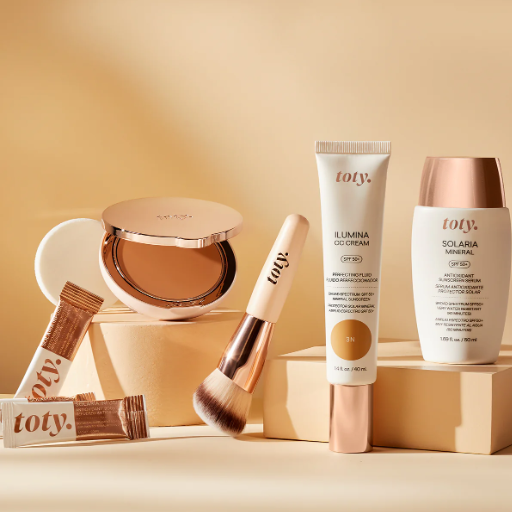
One thing that cannot be emphasized enough is sun protection because the strongest makeup is still useless if the skin gets damaged. here’s how you can combine it with your makeup products. This article aims to provide a comprehensive guide featuring the best makeup infused with sun protection. Any product with more than one use should only be applied with moderation as they can sometimes do more harm than good. Everything from foundation to lip balm is in this edition of sun and makeup while still dealing with your daily routine. Whether you focus more on makeup or skincare, knowing how to use SPF-powered makeup and how to choose it can help you maintain healthy skin.
What is SPF Makeup, and Why is it Important?

SPF — Is it in Your Makeup?
SPF stands for the Sun Protection Factor found in makeup products and it is a measure of how well the product can perform against UVB radiation which is one of the leading causes of skin cancer and skin burns. Wearing make up or not, what I’ve noticed is that there is always the need to put an SPF under my make up regardless of how much sun exposure I might face. However, I use sunscreen as my base layer and SPF as a secondary one. By doing this, I manage to keep my skin’s health and appearance in check because while I wear makeup, my skin is protected all day.
Function of Sunscreen in the Protection of Skin from Sun
In my research about the sites concerning the functions of sunscreen in preventing sun damages, I have come up with the understanding that sunscreen is the most effective way to shield the skin from UVB and UVA rays. UVB rays mainly cause sunburns, while the sky’s more penetrating rays, the UVA rays, facilitate the risk of skin cancer and cause skin aging. Broad-spectrum sunscreens with at least SPF 30 that my dermatologists suggest are effective for protecting the skin since they provide almost 97% shielding against UVB rays. Furthermore, it is equally essential to apply a generous amount of sunscreen with an emphasis on re-application, preferably every two hours, especially after swimming or sweating. Also, it is worth noting that physical sunscreens with zinc oxide and titanium dioxide work by reflecting UV rays, while chemical sunscreens absorb the UV rays, making them heat. By now, incorporating these formulations into my therapeutic routine has improved my sun protection strategies, ensuring better overall skin health.
How Makeup with SPF is Beneficial
As seen in most websites, makeup has some benefits with SPF. Firstly, it acts as a second line of defense against the sun, which makes using a standard sunscreen easier throughout the day. This is especially helpful for occupied people who would otherwise forget to wear sunscreen. That integrating factor can certainly not be overemphasized as it fits into the everyday make up routine with working free. In addition, most of the time, makeup with SPF protection has a range of UVA and UVB rays. Many products say that their cream has an SPF of at least 15, but there are good reasons to choose creams with a higher SPF protection. Using these protects up to 93% of UVB rays. The true advantage of wearing makeup with SPF is balancing essentials of a cosmetic with sunblock that aids in skin protection. Hence I can look good and have nice skin in the long run.
How to Choose the Right SPF Level for Your Makeup?

Difference Between SPF 30, SPF 40, and SPF 50
In my case, the selection of foundation with SPF 30 or 40 or 50 depends on one very important factor – what level of protection they provide. Around 97% of UVB radiation is blocked by SPF 30, while 40 SPF covers around 97.5% of UVB rays. The highest level of coverage is that of SPF 50 covering close to 98% of UV rays. The difference in percentages might seem to be negligible, however, for someone with highly sensitive skin or prone to sunburning, that even marginal rise may make a lot of difference. I picked SPF depending on how much sun I will be getting, which areas I will be working at, or where I will be spending a lot of time outdoors – higher if I will expect to be outside for long or in direct Сsunlight. Furthermore, it is important to remember that no SPF can ever completely block all UVB radiation, so SPF cosmetic products must be used in conjunction with other protective measures such as a hat or sunglasses and making sure to stay in the shade when required.
What is meant by Broad Spectrum SPF Coverage?
What is meant by broad-spectrum SPF? Broad spectrum SPF is a sunscreen’s ability to protect against UVA and UVB rays. These appear as the rays that cause sunburn. UVA, while penetrating deeper into the skin, has been attributed to skin pollution, excessive skin tanning, and other skin cancer development-associated factors. Leading institutions such as the skin cancer foundation claim that broad-spectrum protection is necessary because the site is exposed to a more comprehensive range of damage. When looking into broad-spectrum SPF protection, I observed that the FDA monitors and controls products labeled as broad-spectrum. This terminology indicates that the sunscreen has been through processes and studies that demonstrate its efficacy in protecting against the two types of damaging rays. Hence, such products are designed specifically to offer maximum protection against potential skin contractions owing to wide-ranging ultraviolet rays.
Precautions for Highly Sensitive Skin
In the event that I opt for a sunscreen with an SPF factor that is suitable and gentle on the face, it is either a product that is marked as ‘Sensitive’ or ‘Extra Gentle’ to avoid any irritation. Also, as per the most recent reliable sources accessed on the web, I do not use fragrant products or probably any scented topical forms as much as possible. Certain ingredients like zinc or titanium dioxide are often recommended as they are minerals and not chemical based, and thus, less reactive than other available options in the market. At the same time, I also conduct a patch test on the wrist or other parts before applying tropics on the face or any larger area. With the help of these professional pages, I am more at ease when it comes to making decisions that best suit my type.
What Are the Best Makeup Products with SPF for 2024?

Best Tinted Moisturizers with SPF
To get the best tinted moisturizer with SPF on the market, I reached out to the sources available on search, so that I can be selecting the latest and accurate products. All these sources pointed out products that delivered both sun protection and skin-friendly ingredients. To begin with, the most preferred product, according to Allure, was Laura Mercier Tinted Moisturizer Natural Skin Perfector SPF 30 because of its light and natural finish that people looking for such type of makeup want. It is also effective for improving even complexion, as it is infused with licorice extract, macadamia, and kukui seed oils for a hydrating and flawless complexion.
IT Cosmetics Your Skin But Better CC+ Cream was featured on InStyle’s list as one of their best tinted moisturizers with SPF 50+. It is quite impressive as it provides full coverage and has a very high SPF at the same time. CC+ Cream contains hyaluronic acid, peptides, and niacinamide, which are famous for providing coverage while improving skin’s texture and hydration over time.
Finally, Cosmopolitan has also emphasized BareMinerals Complexion Rescue Tinted Hydrating Gel Cream Broad Spectrum SPF 30. This product combines a gel-cream formula plus mineral-based sunscreen components such as titanium dioxide, a great ingredient that delivers a breathable finish ideal for all skin types. It contains squalane for moisture and light-reflecting minerals for beautiful skin. These moisturizers not only protect my skin from UV rays but also improve the way it looks by targeting the specific concerned area on the skin.
Mineral Sunscreen Makeup Examples: What To Adopt
When looking for Must-Have Mineral Sunscreen Makeup, I was able to spotlight three standout products. First, I would advocate Laura Mercier Tinted Moisturizer Natural Skin Perfector SPF 30, considering it was endorsed by Allure. It has a lightweight texture with a natural finish and contains licorice extract to help balance skin tone. Furthermore, the presence of macadamia and kukui seed oils helps to achieve skin hydration and seamless coverage.
Next on my list is IT Cosmetics Your Skin But Better CC+ Cream with SPF 50+. I note InStyle’s endorsement of the product because of its full coverage and high SPF. The technical parameters include hyaluronic acid for hydration, peptides for skin elasticity enhancement, and niacinamide for even texture.
Last but not least, Cosmopolitan particularly highlighted the BareMinerals Complexion Rescue Tinted Hydrating Gel Cream Broad Spectrum SPF 30, which contains gel cream and mineral-based UV filters, including titanium dioxide. It also has squalane for additional hydration and minerals that help give the skin a light-reflecting or radiant appearance.
All these products are a mix of Sun Protection and skin care which ensures that my skin is protected from UV damage and it is looking its best.
Everyday Sunblock for the Face: The Best Facial Sunscreens for All Day Use
Finding the best facial products, in this case, the most effective facial sunscreens, has become an easy task as there are a number of sources ho provide top reviews on facial sun screen products. Specifically, Healthline has highlighted EltaMD UV Clear Broad-Spectrum Sunscreen SPF 46, which is particularly appropriate for sensitive skin because it has niacinamide, which soothes redness, and is also lightweight and non-greasy. StyleCraze highlights CeraVe AM Facial Moisturising Lotion with SPF 30, stating that the lotion is supplemented with ceramides and hyaluronic acid which helps provide moisture as well as restore the skin barrier and also offer sun protection. Lastly, Byrdie mentions La Roche-Posay Anthelios 60 Melt-in Sunscreen Milk which is almost 100% Heureka for its broad spectrum effective sunscreen and also its silky application without any white film. These combinations provide adequate sunscreen protection while enhancing the skincare element within the products making them suitable for everyday application.
How to Apply Sunscreen Under Makeup Properly?

Application of Sunscreen Before Applying Makeup
- Clean Skin First: I never forget to wash my face before applying sunscreen and make sure my skin is well-moisturized. This is essential to preparing the skin and enhancing the effectiveness of later products.
- Sunscreen Shouldn’t be Confusing: As many trusted sources note including Healthline, StyleCraze, and Byrdie, it is important to choose a sunscreen that is compatible with one’s skin. EltaMD UV Clear Broad-Spectrum SPF 46 is ideal for people with sensitive skin whereas CeraVe AM Facial Moisturizing Lotion SPF 30 contains hydrating ingredients like ceramides and hyaluronic acid.
- Apply the Sunscreen Evenly: I take about a nickel-sized amount of sunscreen and apply it as evenly as possible on my face. It is also important to extend to all parts such as the ears and neck.
- Give Time for Sunscreen to Work: Sunscreen takes about 15 minutes to set up, which also explains why it is placed in such a location in the routine. It enhances the effectiveness of the mascara without making it complicated.
- Sunscreen Should Be Compatible With Other Products: If I am using a makeup primer, I will put it on once the sunscreen has completely soaked in. This method can keep the sunblock in and give the skin more softness.
- Moving on to the Application of Makeup: As soon as I am done using sunscreen or applying primer, I apply my makeup normally. I choose non-comedogenic products because they are better for my skin.
These steps, explained and endorsed by prominent skincare resources available on Google, allow makeup to be applied without any negative effects on the skin.
Makeup Tips on Top of Sunscreen
In terms of putting makeup on top of sunscreen, I would say that certain products need to be applied but there are some that you need to apply so that both the sunscreen and the makeup work well together. First, I always follow the most basic rule of skin care, sunscreen last in the sequence and allow it to sit for a sufficient amount of time. For the foundation base, I use a very light non-comedogenic one so that it does not sink into the pores and blend seamlessly. Try not to rub your face when putting on makeup, as this might disturb the layer of sunscreen underneath, and instead try to pat the makeup in place. I like to set my makeup with a powder or spray that has SPF also, it is something I have read about in beauty magazines such as Glamour, Allure, Refinery29. For me this routine allows me to be able to put on makeup and not have to worry about the sun at all.
Mistakes That Should Not Be Made in the Use of SPF Products
When it comes to SPF products, there are a few common mistakes I make sure to avoid so that sun protection is effective. First, a common error is the application of the product in insufficient quantities, and here I try to always apply a good amount, about a teaspoon for my face. Secondly, I do not forget to apply the product on my ears, neck and hairline which are often ignored while applying the sunscreen. Another mistake is the assumption that SPF present in the makeup is enough; I do put on a sunscreen before the foundation. Lastly, I apply the products every two hours or after swimming or sweating, as this is extremely important, especially when the person is outside for a long time. Such routines, which have been cited by leading beauty sites, allow me to increase the protective features of the SPF products I have used.
Can You Use Tinted Sunscreen as Makeup?

Benefits of Tinted Sunscreen for Skin Tones
For me tinted sunscreen is an ideal approach as it also adds a decent complexion to my skin tone. This approach, in my opinion, has many advantages. Firstly, they provide all-round sun protection and, most times, help to even my skin tone, so I don’t necessarily have to use the foundation daily. These products often have a tint that blends in with all skin types, thereby hiding the blemishes. All the reputed beauty hospitals say that these types of foundations usually contain iron oxides that also help protect the skin against visible rays of light, which is useful for the deeper skin tone types who often suffer from pigmentation. Also, it is important to add that tinted sunscreens rarely feel heavy or pore-clogging which is great because my skin is very susceptible to irritation when wearing makeup. This product also meets my expectations for sun protection.
The Right Way To Incorporate Tinted Moisturizer In Your Routine
There are certain steps that I like to follow to incorporate a tinted moisturizer into my routine effectively. The first is cleansing, then applying the serum or the lightweight moisturizer or cream that will serve as a base. Giving the skin some moisture also helps create a smooth surface for applying the tinted product. Using tinted moisturizers in this manner also provides sun protection. With just a pea-sized amount of tinted moisturizer, I can fortify my skin and tone it with slight backsplash coverage. Leading beauty websites mention that a bare minimum of SPF 30 should be used to protect from the sun. When applying this product, I only use my fingers or a sponge and never my palm, flattening it to be uniformly blended. Considering there is a good possibility of tinted moisturizers containing potent ingredients like Hyaluronic Acid and antioxidants, moisturizers do more than just provide coverage, they also improve the condition of my skin. To combat the effects, she can lightly dust some translucent powder onto the oiliest areas of the face for even better lasting effect. In this manner, moisture, protection, and the ideal finish all coalesce into my everyday skincare routine.
Differences Between Tinted Sunscreen and Regular Foundation
There are basic differences between tinted sunscreen and regular foundation, and such differences can be gained from some of the highest sources online. First, tinted sunscreen has a primary function which is that of broad-spectrum sun protection, usually in the form of SPF of 30 or higher, which helps protect my skin from both UVA and UVB rays. Tinted sunscreens use physical blockers including zinc oxide or titanium dioxide together with iron oxides available in the tint, thus shielding my skin from visible light, enabling them to be used on a daily basis and jung anti-pigmentation effects.
On the contrary, simple foundation works mainly to help provide makeup to conceal the imbalances of skin tone. Some of these foundations may contain SPF, however they do not possess almost the same sun protection as a tinted sunscreen. Foundations usually have some of these additional ingredients for further make up coverage such as silicones, which aid in providing a smooth application but can also be piled up within the base which tends to be too thick and less breathable when contrasted with tinted sunscreens.
The distinguishing factors also indicate the mutually enhancing products in application. Tinted sunscreens are perfect for those looking for minimal sun protection with a hint of coverage, while foundations, without focusing on UV protection, provide ample coverage options and cosmetic enhancement.
Reference sources
Frequently Asked Questions (FAQs)

Q: What is sun protection makeup and why is it important?
A: Sun protection makeup includes products like foundations, powders, and setting sprays that offer UV protection, helping to safeguard your skin from the sun’s harmful rays. It’s essential for preventing skin damage, sunburn, and premature aging.
Q: What does SPF mean and why should I choose a product with SPF?
A: SPF stands for Sun Protection Factor, which measures a product’s effectiveness in blocking UVB rays. Choosing a product with SPF is crucial for protecting your skin from sunburn and long-term skin damage. For daily protection, consider products with at least SPF 30.
Q: Can I use sunscreen makeup instead of regular sunscreen?
A: While sunscreen makeup can provide some level of UV protection, it’s important to use a dedicated sunscreen as a base layer. Look for recommended sunscreens that you can apply under makeup for optimal protection.
Q: What is the difference between chemical and mineral sunscreen?
A: Chemical sunscreens absorb UV rays, while mineral sunscreens, like those containing zinc oxide, physically block them. Mineral sunscreens are often recommended for sensitive skin as they are less likely to cause irritation.
Q: How often should I reapply sunscreen throughout the day?
A: It’s recommended to reapply sunscreen every two hours, especially if you are sweating or swimming. For make-up wearers, using a sunscreen setting spray can help maintain protection without disrupting your makeup.
Q: What is the benefit of using a mineral powder with SPF?
A: Mineral powder with SPF provides UV protection while offering light coverage and hydration. These products are particularly useful for touch-ups throughout the day, making it easier to protect your skin without layering heavy creams.
Q: Is there a difference between SPF 15 and SPF 35?
A: Yes, SPF 35 provides more protection from UVB rays compared to SPF 15. SPF 35 blocks about 97% of UVB rays, while SPF 15 blocks roughly 93%. If you have fair skin or are spending extended time in the sun, a higher SPF is recommended.
Q: What are cruelty-free sun protection options available?
A: Many brands, such as Supergoop and e.l.f, offer cruelty-free sun protection options. Look for labels that indicate “cruelty-free” or “not tested on animals,” and check the ingredient list to avoid harmful additives like parabens and phthalates.
Q: How can I avoid the white cast often associated with sunscreen?
A: To avoid white cast, opt for invisible sunscreens or tinted mineral sunscreens that blend seamlessly into the skin. Products like Suntouchable Whoa Glow SPF 30 are designed to provide a natural finish without leaving a residue.